Exploring the psychology behind casino gambling
The Allure of Chance and Risk
The psychology behind casino gambling begins with the allure of chance and the thrill of risk. Human beings have an intrinsic attraction to unpredictability; it evokes excitement and arouses curiosity. When individuals step into a casino environment, they are often overwhelmed by the visual and auditory stimuli, designed to enhance this emotion. The vibrant lights, ringing slot machines, and lively atmosphere create a sensory overload that heightens their sense of anticipation, making the gamble feel more enticing, especially when considering options like new betting sites australia that further intensify the experience. This combination of sensory engagement and the inherent uncertainty of the outcomes forms the foundation of why people are drawn to gambling.
This attraction to risk is intertwined with the brain’s reward system. Engaging in a gamble stimulates the release of neurotransmitters like dopamine, which plays a significant role in pleasure and reward. Winning, even if it is just a small amount, reinforces the behavior, tempting players to continue gambling. As a result, the prospect of winning becomes a powerful psychological incentive that can overshadow the reality of potential losses, leading to a paradoxical relationship with risk. This reward-seeking behavior drives many individuals to gamble repeatedly, often without consideration for the financial ramifications.
Furthermore, the concept of loss aversion, a principle from behavioral economics, plays an important role in casino gambling. Research suggests that losses tend to impact individuals more significantly than equivalent gains. This contributes to the compelling urge to chase losses that many gamblers experience. They may convince themselves that it’s only a matter of time before they make a comeback, pushing them deeper into a cycle of gambling that often leads to detrimental outcomes. This psychological phenomenon illustrates how the mind can become ensnared in a loop of risk-taking, often ignoring rational judgment in favor of emotional impulses.
The Role of Cognitive Biases
Cognitive biases are systematic patterns of deviation from norm or rationality, and they significantly influence gambling behavior. One prevalent bias in gambling is the illusion of control, where players mistakenly believe they can influence the outcome of games of chance. For instance, many gamblers think they can predict or influence the results of a dice roll or card shuffle, leading to decisions based on false premises. This belief is not only unfounded but can lead to an escalation in gambling activity as they pursue a false sense of mastery, often resulting in greater losses.
Another cognitive bias prevalent in casinos is the gambler’s fallacy, where individuals believe that past random events affect future outcomes. A common example is the belief that a particular slot machine is “due” for a payout because it hasn’t paid out recently. This fallacy can perpetuate gambling behavior, as players often feel that their luck is about to change based on previous experiences, despite the outcomes being completely independent. The gambler’s fallacy highlights the struggles individuals face when trying to rationalize their gambling habits, reinforcing a cycle of continued play and expenditure.

These biases not only reinforce problematic gambling habits but also contribute to a distorted perception of the odds involved in various casino games. Understanding how cognitive biases operate can help in developing strategies to mitigate risk and promote responsible gambling behavior, encouraging individuals to confront their misconceptions and make more informed decisions. By recognizing these biases, gamblers can better assess their behavior and potentially reduce the likelihood of developing harmful gambling patterns.
The Social Dimension of Gambling
The social environment of casinos also plays a key role in the psychology of gambling. For many individuals, visiting a casino is not solely about the games; it’s a social experience. The social aspect enhances the allure of gambling as it creates a sense of community among players. The interaction with others, whether it’s sharing stories about wins, losses, or simply enjoying the atmosphere, can lead to a stronger emotional investment in the gambling experience. This communal aspect can deepen the connection individuals feel to the gambling activities, making it more than just a solitary pursuit.
Moreover, peer pressure can significantly influence gambling behavior. In social situations, individuals may feel compelled to partake in gambling activities to fit in or gain social approval. This pressure can escalate the amount of money spent or the time dedicated to gambling, as people seek acceptance from their peers. The desire to create a shared experience can often overshadow personal financial boundaries, leading to situations where individuals gamble beyond their limits. This social dynamic showcases how external influences can compromise personal decision-making regarding gambling.
Additionally, casinos often utilize social components to reinforce engagement. This can include loyalty programs, group events, and even competitive gaming formats. These elements tap into the psychology of social validation and competition, making the gambling experience more immersive and reinforcing participation, thus perpetuating the cycle of gambling. Over time, this can lead to a powerful attachment that transforms gambling from a mere pastime into a compulsive behavior. The interplay between social dynamics and gambling can create an environment where moderation becomes challenging, contributing to an increase in gambling-related issues.
Addiction and the Psychological Consequences
The psychological consequences of gambling can be profound, leading to addiction and a slew of related mental health issues. Gambling addiction, classified as a behavioral addiction, can manifest when individuals lose control over their gambling habits, leading to detrimental effects on their personal and professional lives. The thrill of gambling, once a source of enjoyment, can transform into a compulsive need that overshadows all other aspects of life, resulting in emotional distress and relationship breakdowns.
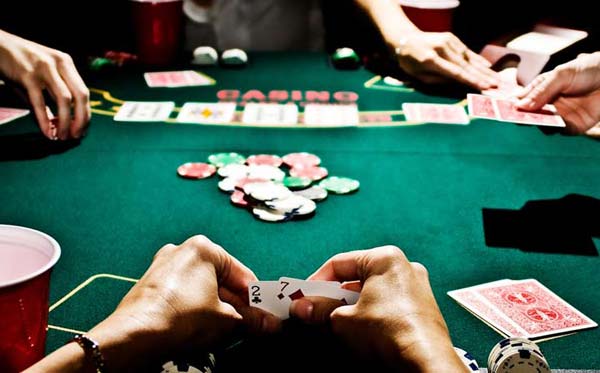
The effects of gambling addiction are extensive, including anxiety, depression, and a range of interpersonal problems. Individuals struggling with addiction may experience feelings of isolation as they often hide their behaviors from loved ones. The shame associated with gambling-related losses can compound these feelings, creating a vicious cycle that further entrenches the addiction. Seeking help can be challenging, but understanding the psychological triggers and consequences is the first step toward recovery. Awareness of these issues is crucial for both the affected individuals and their support networks.
Support systems, such as counseling and support groups, can provide a lifeline for those affected by gambling addiction. These resources aim to cultivate awareness surrounding the psychological aspects of gambling and help individuals build healthier coping mechanisms. By recognizing the underlying motivations behind their behavior, individuals can work towards breaking the cycle and reclaiming control over their lives. Addressing the psychological consequences is essential for recovery, as it allows individuals to confront the root causes of their addiction and develop strategies for sustainable change.
Understanding Responsible Gaming
Understanding responsible gaming practices is pivotal in mitigating the risks associated with casino gambling. Many casinos are increasingly aware of their role in promoting responsible gambling, implementing measures such as self-exclusion programs and responsible gaming awareness campaigns. These initiatives aim to educate players about the potential risks involved while fostering an environment that encourages moderation and balance. By empowering individuals with knowledge, casinos can help players make informed choices regarding their gambling activities.
Additionally, online resources offer valuable information on gambling behavior and self-assessment tools that help individuals recognize their gambling patterns. Understanding the signs of problem gambling is crucial for early intervention and can help players regain control over their activities. By fostering a culture of awareness and responsibility, individuals can make informed decisions that enhance their gaming experience while minimizing risks. This proactive approach to gambling can create a more sustainable environment where enjoyment does not come at the cost of personal well-being.
Ultimately, the focus on responsible gaming serves to protect individuals and communities from the adverse consequences of gambling. By fostering a healthier relationship with gambling, individuals can enjoy the thrill of the experience without succumbing to its potential pitfalls. As the industry evolves, ongoing education and awareness will remain essential in promoting safe gambling practices. This commitment to responsible gaming is crucial for ensuring that the excitement of gambling can be enjoyed responsibly, with an emphasis on the mental and emotional health of players.
